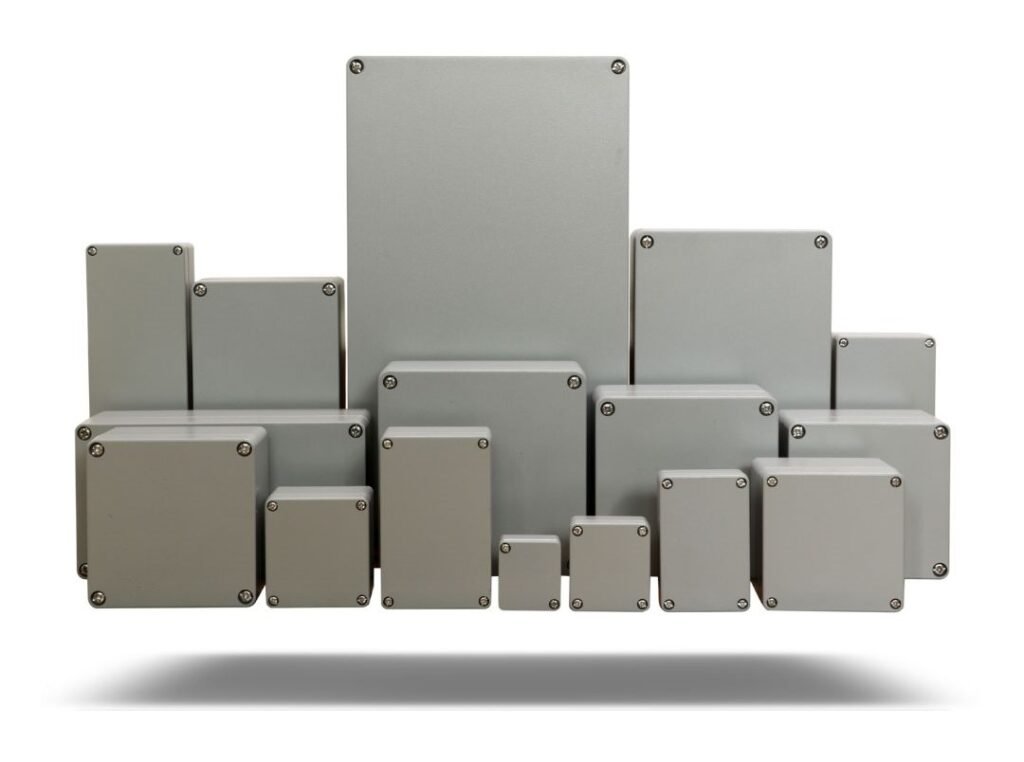
How to Choose the Right Aluminium Enclosure for Industrial Applications
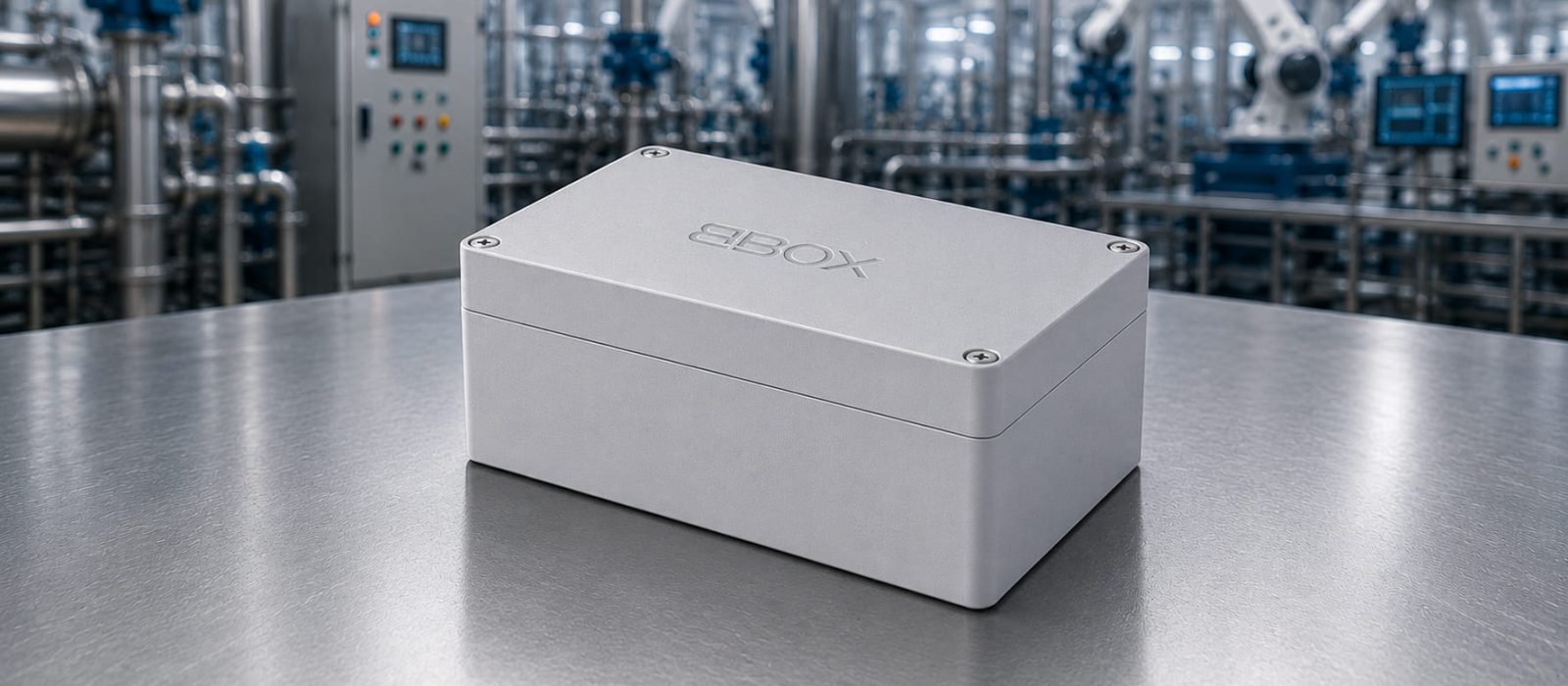
Industrial electronic systems are increasingly being used in demanding environments where reliable protection is essential. From industrial automation and instrumentation to telecommunications, renewable energy and OEM equipment, sensitive electronics may be exposed to dust, moisture, vibration, temperature fluctuations, corrosion and electromagnetic interference.
Choosing the right aluminium enclosure is therefore more than a matter of selecting the correct dimensions or the lowest purchase price. The enclosure can influence equipment reliability, thermal performance, environmental protection, integration, maintenance requirements and overall product lifecycle.
For OEMs, system integrators and equipment manufacturers, understanding the key factors involved in aluminium enclosure selection can help ensure that the enclosure is suited to both the application and the operating environment.
Understand Your Application and Operating Environment
The first step in selecting an aluminium enclosure is to understand where and how the equipment will be used.
Industrial applications can expose electronics to a wide range of environmental conditions, including:
# Dust and airborne contaminants
# Moisture and water
# Vibration and mechanical impact
# Temperature fluctuations
# Chemicals and corrosive environments
# Outdoor exposure
# Salt and humidity
An enclosure should be selected according to the actual conditions the equipment will experience throughout its operating life. An enclosure suitable for a controlled indoor environment may not provide the level of protection required for outdoor or harsh industrial applications.
Choose the Right Type of Aluminium Enclosure
Aluminium enclosures are available in different designs and manufacturing configurations. The right choice depends on the application, electronics, required protection and integration requirements.
Die cast aluminium enclosures are well suited to demanding industrial and electronic applications where durability, mechanical strength and environmental protection are important.
The die casting process allows manufacturers to produce robust enclosure designs with precise dimensions and integrated features. They are commonly used for industrial automation, instrumentation, electronics, telecommunications and OEM equipment.
Extruded Aluminium Enclosures
Extruded aluminium enclosures are another option for applications requiring a lightweight aluminium housing and a practical solution for electronic components.
The enclosure type should ultimately be selected according to the equipment design, required dimensions, environmental conditions and performance requirements.
Select the Appropriate IP Rating
Ingress protection is one of the most important factors when selecting an aluminium enclosure for industrial applications.
An IP rating indicates the level of protection provided by an enclosure against the ingress of solids and water. Depending on the application, engineers may require protection such as IP66, IP67, IP68 or IP69K.
The required IP rating should be determined by the actual environment in which the equipment will operate.
For example, equipment installed outdoors or in areas exposed to water may require a higher level of water protection than equipment installed inside a controlled environment.
It is also important to consider the complete enclosure assembly, including the gasket, cover, fasteners, cable entry points and any machined or customized openings. The enclosure’s stated protection level depends on the performance of the complete assembly, not simply the enclosure material.
Consider Thermal Management Requirements
Heat management is another important consideration when choosing an aluminium enclosure.
Electronic components can generate significant heat during operation, particularly in compact systems containing processors, power electronics, communication equipment or control components. Excessive operating temperatures can affect component performance and service life.
Aluminium is widely used for electronic enclosures because of its thermal properties and ability to transfer and dissipate heat.
When selecting an enclosure, engineers should consider:
# Heat generated by the electronics
# Available enclosure surface area
# Component placement
# Ambient operating temperature
# Required ventilation or heat dissipation
# Thermal interface requirements
Thermal considerations should be addressed early in the enclosure design process rather than after the electronics and enclosure have already been finalized.
Evaluate EMC and EMI Requirements
Electromagnetic compatibility can be an important consideration for industrial electronic equipment.
Sensitive electronics may need protection from electromagnetic interference, while the equipment itself may need to limit electromagnetic emissions. Aluminium enclosures can provide useful shielding properties, but enclosure design, assembly, sealing and manufacturing quality also influence overall EMC performance.
Engineers should therefore consider EMC requirements alongside the enclosure design rather than treating them as a final-stage compliance issue.
Where EMC performance is important, factors such as enclosure construction, joints, openings, cable entry points and grounding arrangements should be evaluated as part of the overall system design.
Consider Customization and Machining Requirements
Many industrial applications require more than a standard enclosure.
OEMs and system integrators may need customized openings and mounting features for:
# Connectors
# Displays
# Switches
# Cable glands
# PCB mounting
# DIN rails
# Mounting arrangements
# Branding and identification
CNC machining and precision cut-outs can allow an aluminium enclosure to be adapted to the specific requirements of the electronic system.
Choosing manufacturer with custom aluminium enclosures manufacturing capabilities can simplify product development by allowing enclosure design, machining and finishing requirements to be addressed with a single manufacturing partner.
For OEM applications, it is also important to consider whether the manufacturer can support the project from prototype development through production.
Evaluate Material, Surface Finish and Corrosion Resistance
Industrial equipment may operate in environments where moisture, chemicals, salt and temperature variations can affect enclosure performance over time.
Aluminium offers good corrosion resistance, but the overall durability of an enclosure also depends on its manufacturing quality, surface treatment and operating environment.
Depending on the application, engineers may need to consider:
# Natural or uncoated aluminium
# Powder coating
# Surface finish requirements
# Corrosive environments
# Outdoor exposure
# Salt and humidity
The selected finish should be appropriate for the environment in which the enclosure will be installed.
Consider Mechanical Strength and Durability
Industrial enclosures need to protect electronic components from mechanical stresses as well as environmental conditions.
Applications involving machinery, transportation, industrial equipment or outdoor installations may expose enclosures to vibration, impact and repeated handling.
When evaluating an aluminium enclosure, consider:
# Mechanical strength
# Impact resistance
# Wall construction
# Cover design
# Fastener arrangement
# Gasket and sealing design
# Overall manufacturing quality
These factors can influence the long-term reliability of the enclosure and the equipment housed inside it.
Select an Experienced Aluminium Enclosure Manufacturer
The enclosure is an important part of the overall electronic system, so selecting the right manufacturing partner can be just as important as selecting the enclosure itself.
An experienced aluminium enclosure manufacturer should be able to understand the application requirements and support key aspects of the product development process, including enclosure selection, customization, machining, finishing and production.
BBOX Enclosures is backed by more than 70 years of aluminium pressure die casting expertise through Demo Casters Private Limited. BBOX develops precision aluminium enclosures for industrial electronics, automation systems, instrumentation, telecommunications, renewable energy and OEM applications.
By combining manufacturing expertise with customization capabilities, BBOX supports customers looking for aluminium enclosure solutions designed around their specific application requirements.
Aluminium Enclosure Selection Checklist
Before finalizing an enclosure, engineers and procurement teams should evaluate:
# What environment will the enclosure operate in?
# What IP rating is required?
# What type of aluminium enclosure is most suitable?
# How much heat will the electronics generate?
# Are EMC or EMI considerations important?
# Does the enclosure require CNC machining or custom cut-outs?
# What surface finish is suitable for the application?
# What level of mechanical protection is required?
# Can the manufacturer support customization and production requirements?
# Does the enclosure meet the required quality and compliance expectations?
Considering these factors at the beginning of the design process can help OEMs and equipment manufacturers select an enclosure that supports reliable performance throughout the product lifecycle.
Conclusion
Choosing the right aluminium enclosure requires more than comparing dimensions and prices. Environmental protection, IP rating, thermal management, EMC considerations, mechanical durability, customization and manufacturing quality should all be evaluated according to the application.
For industrial automation, electronics, instrumentation, telecommunications, renewable energy and OEM applications, selecting the right enclosure early in the product development process can help improve equipment reliability and reduce design and integration challenges.
BBOX Enclosures combines aluminium manufacturing expertise with customized enclosure capabilities to help customers develop solutions suited to demanding industrial applications.
Looking for the right aluminium enclosure for your application? Connect with our team to discuss your enclosure requirements.
Any Questions? Please Fill Below Form