Frequently Asked Questions (FAQ's)
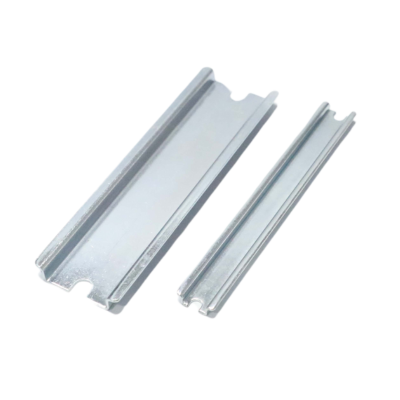
DIN rails are typically made from materials like aluminum, steel, or copper. They may also have coatings such as zinc plating to prevent corrosion.
Devices designed for DIN rail mounting typically have clips or brackets that snap onto the rail. Simply align the device with the rail and push until it clicks into place. Some devices may require screws for additional security.
The most common DIN rail, the TS35 or Top Hat rail, is 35mm wide. Heights and lengths can vary, with standard lengths being 1 meter or 2 meters, though they can be cut to fit specific enclosures.
It ensures compatibility across different manufacturers and devices, simplifies the process of mounting and organizing electrical components, and allows for easy reconfiguration and expansion of electrical systems.
While DIN rails are designed to support various electrical components, it’s important to consult the manufacturer’s specifications for both the rail and the devices to ensure they can handle the intended load.
Proper grounding is essential for safety and device performance. Many DIN rails are designed to be grounded through their mounting brackets. Additionally, you can use grounding terminal blocks or grounding lugs designed for DIN rails.